Root Canal Treatment: What to Expect Step by Step
For many people, the words "root canal" bring on an immediate wave of anxiety — and yet, most of that fear is rooted in outdated stories rather than present-day reality. Modern root canal treatment is a precise, well-structured procedure that most patients find far less uncomfortable than they imagined. Understanding exactly what happens during each stage can make a world of difference. When you know what to expect — from the first consultation to the final restoration — the entire journey feels far more manageable. This guide walks you through the process in plain language, so you can walk into your appointment feeling informed, calm, and prepared.
Why Root Canal Treatment Becomes Necessary
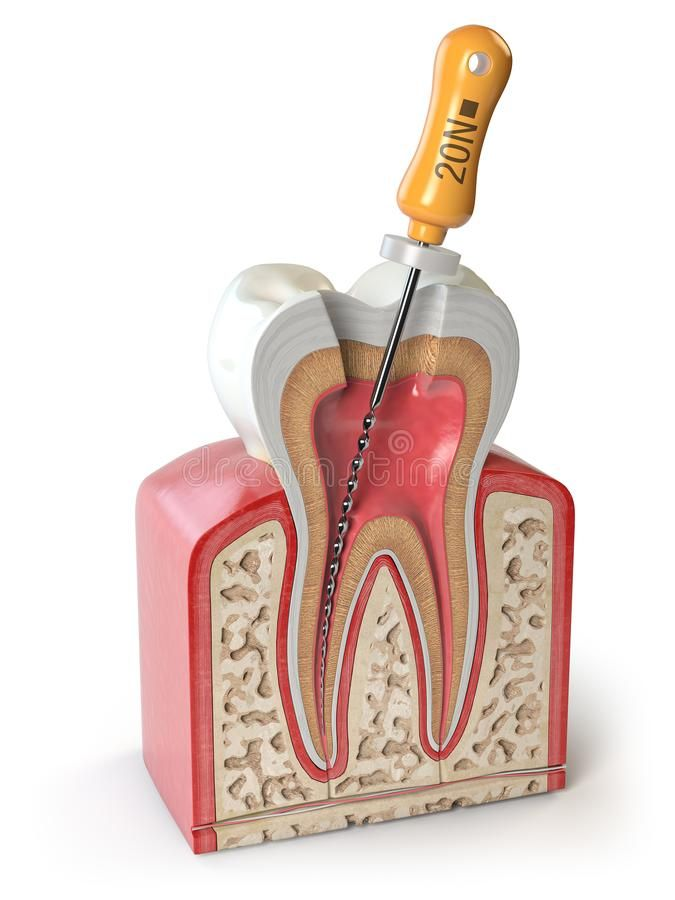
Your tooth has layers. Beneath the hard enamel and the softer dentine lies a chamber filled with soft tissue called the pulp, which contains nerves and blood vessels. When decay reaches deep enough, or when a tooth suffers a significant crack or trauma, bacteria can invade this pulp tissue and cause infection. Left untreated, the infection can spread to the surrounding bone and cause serious complications.
A root canal — clinically known as endodontic treatment — removes the infected or inflamed pulp, cleans and shapes the root canals, and seals the space to prevent reinfection. The goal is not just to relieve pain but to save the natural tooth entirely.
Endodontic Treatment in Vijayawada has become significantly more comfortable thanks to advances in anaesthesia, instruments, and imaging technology.
The Step-by-Step Process
Step 1: Initial Examination and Diagnosis
Everything begins with a thorough consultation. Your dentist will review your symptoms, take dental X-rays, and possibly use a digital scan to assess the extent of the infection and the anatomy of the root canals. This stage determines whether a root canal is truly necessary or whether another treatment might be more appropriate. Be honest about your pain levels, how long symptoms have been present, and any previous dental work on the affected tooth — this information directly shapes the treatment plan.
Step 2: Local Anaesthesia
Before any work begins, the dentist administers a local anaesthetic to completely numb the area around the tooth. This is typically the most anxiety-inducing moment for patients, but the injection itself is brief. Once the anaesthesia takes effect — usually within a few minutes — you should feel no pain throughout the procedure. Some pressure or movement is normal, but sharp pain is not. If you feel discomfort at any point, speak up immediately so the dentist can adjust.
Step 3: Placing the Rubber Dam
A small sheet of latex or non-latex rubber called a dental dam is placed around the tooth before treatment begins. It may seem like an odd addition, but it serves a vital purpose: keeping the tooth dry, preventing bacteria from your saliva from contaminating the canals, and protecting you from swallowing any tiny instruments or irrigating solutions used during the procedure.
Inside the Canal: Cleaning and Shaping
Step 4: Accessing the Pulp Chamber
The dentist creates a small opening through the crown of the tooth — the biting surface for molars or the back surface for front teeth — to reach the pulp chamber below. This access point allows the instruments to travel down into each individual root canal.
Step 5: Removing the Pulp and Shaping the Canals
Using very fine instruments called files, the dentist carefully removes the infected pulp tissue and begins to shape the canals into smooth, tapered pathways. This shaping is critical — it allows irrigating solutions (typically sodium hypochlorite) to flush out remaining bacteria and debris thoroughly. The length of each canal is measured precisely, usually with an electronic apex locator, to ensure the entire canal is cleaned without over-instrumentation.
For a Tooth Root Canal Treatment to be effective long-term, this cleaning stage must be meticulous and complete.
Step 6: Drying and Filling the Canals
Once the canals are clean and shaped, they are dried carefully with paper points. The dentist then fills the canals with a biocompatible rubber-like material called gutta-percha, which is sealed in place with a dental cement. This filling material takes up all the space inside the canal, preventing bacteria from re-entering. An X-ray is taken at this stage to confirm the fill is complete and correctly placed.
After the Canal: Restoration and Recovery
The Temporary or Permanent Crown
In most cases, the access opening is sealed with a temporary filling on the same day. A follow-up appointment is then scheduled for the permanent restoration, which is almost always a dental crown. Since a tooth that has undergone root canal treatment no longer has a living pulp to keep it nourished, it becomes more brittle over time. A crown covers and protects the tooth, restoring its full function and preventing fracture. Skipping this final step is one of the most common reasons root canal-treated teeth eventually fail.
What Recovery Feels Like
Mild soreness and sensitivity around the treated tooth for two to four days after the procedure is entirely normal. Over-the-counter pain relievers such as ibuprofen or paracetamol usually manage this well. You may be advised to avoid chewing on that side until the permanent crown is placed. Swelling, severe throbbing, or fever that persists beyond a few days should be reported to your dentist promptly — these may indicate a complication that needs attention.
How to Prepare Before Your Appointment
A little preparation goes a long way in making the experience smoother. Eat a light meal a few hours before your appointment since the anaesthesia will make eating uncomfortable for a while afterward. Avoid alcohol for at least 24 hours beforehand, as it can interfere with anaesthesia. If you have dental anxiety, let your dentist know in advance — many clinics offer options to help you feel more at ease. Arrange for someone to drive you home if you expect to feel groggy or unsettled. Most importantly, write down any questions you have so you can get clear answers before treatment begins.
A trusted Dental Specialist in Vijayawada will always take time to address your concerns before picking up a single instrument.
Conclusion
A root canal is not the ordeal it is often made out to be. When you understand the steps involved — from diagnosis and anaesthesia through cleaning, filling, and final restoration — it becomes clear that this is a well-organised, patient-centred procedure designed to protect your natural tooth for years to come. Recovery is typically quick, and the relief from the original infection is often dramatic. If you have been putting off treatment because of uncertainty or fear, the best thing you can do is speak with a qualified dental professional who can guide you through the process at your own pace. Your comfort and clarity matter every step of the way.
Frequently Asked Questions
How many sittings does a root canal treatment usually require?
Most root canals are completed in one to two appointments, depending on the severity of the infection and the complexity of the root anatomy. A straightforward case with no active abscess can often be finished in a single sitting of 60 to 90 minutes. Cases involving significant infection may require a temporary dressing between appointments to allow the area to settle before the final filling is placed.
Is root canal treatment painful?
With modern local anaesthesia, the procedure itself should not be painful. Most patients report that the anticipation is far worse than the reality. Some mild soreness in the days following treatment is normal and typically resolves with standard over-the-counter pain relief. If pain is significant or worsening after 48 hours, contact your dentist.
Can I eat normally after a root canal?
It is best to wait until the numbness from the anaesthesia has completely worn off before eating, to avoid accidentally biting your cheek or tongue. For the first day or two, soft foods and avoiding extreme temperatures are advisable. Once the permanent crown is placed, you can generally resume your normal diet without restrictions.
What happens if I delay getting a root canal done?
Delaying treatment allows the infection to spread further into the surrounding bone and adjacent teeth. This can lead to an abscess, increased pain, and in more serious cases, systemic spread of the infection. It also reduces the likelihood of being able to save the tooth at all, making extraction the only remaining option.
How long does a root canal-treated tooth last?
With proper restoration — particularly a well-fitted crown — and good oral hygiene, a root canal-treated tooth can last a lifetime. Studies show that the long-term success rate is high when both the endodontic treatment and the subsequent crown placement are done correctly. Regular dental check-ups are important to monitor the tooth and catch any changes early.
Source: tumblr.com